
in the global internet environment, choosing the right server is crucial to the speed and stability of your website. especially for corporate and personal websites targeting the japanese market, it is particularly important to choose a high-performance japanese server . this article will provide an in-depth comparison of several popular japanese server options to help you make an informed choice.
what is a japanese server?
japanese servers refer to servers hosted in data centers in japan. these servers usually provide lower latency and faster access speeds, especially for japanese users. in addition, using japanese servers can better comply with local laws and regulations, ensuring data security and privacy protection. choosing the right japanese server is an important decision for businesses that want to succeed in the japanese market.
overview of popular japanese server options
there are a variety of japanese server options available on the market, including web hosting, vps (virtual private server), dedicated servers, etc. when choosing, users should make comprehensive considerations based on their own needs, budget and technical capabilities. next, we will conduct a detailed analysis of some well-known japanese servers to help users make better choices.
advantages and disadvantages of vps servers
vps (virtual private server) is a hosting service that virtualizes multiple independent servers on a physical server. this kind of service is more flexible in resource allocation than shared hosting and is suitable for small and medium-sized enterprises and personal websites. the main advantage of a vps server is that it can provide higher performance and greater control. users can configure the system and software according to their needs. however, relatively speaking, the management and maintenance of vps requires certain technical knowledge, and beginners may face certain challenges.
applicable scenarios for dedicated servers
a dedicated server refers to a hosting service in which a user has exclusive use of a physical server, and is suitable for websites with high performance and security requirements. for large enterprises or online businesses with heavy traffic, choosing a dedicated server can ensure the stable operation of the website during peak hours. additionally, dedicated servers offer greater flexibility and can be highly customized according to business needs. however, the cost of dedicated servers is relatively high and is more suitable for businesses with sufficient budgets.
flexibility and scalability of cloud servers
cloud server is an emerging server hosting model that integrates the resources of multiple physical servers through virtualization technology, allowing users to quickly expand resources as needed. the main advantage of cloud servers is their extremely high flexibility and scalability. users can adjust the configuration at any time according to changes in traffic, avoiding the waste of resources. however, the complexity of cloud servers can be confusing to some users, especially when it comes to management and configuration.
how to choose the right japanese server
when choosing a japanese server, users should consider several factors, including website type, expected traffic, budget, technical capabilities, etc. first of all, if it is a small personal website, virtual hosting or vps may be a suitable choice; if it is a large corporate website, a dedicated server or cloud server is more suitable. in addition, the technical support and customer service quality of the service provider are also important factors to consider when choosing to ensure that you can get timely help when you encounter problems.
compare service features of different providers
in the japanese market, there are multiple providers offering server services. when choosing, users should compare their service features, including bandwidth, storage space, technical support and service stability. some providers may be more competitive on price, while others may be superior in technical support and quality of service. a thorough understanding of each provider's strengths and weaknesses can help users make more informed choices.
summary and suggestions
choosing the right japanese server is crucial to improving website performance and user experience. in this article, we compare a variety of popular japanese server options, including vps, dedicated servers, and cloud servers. different types of servers have their own advantages and disadvantages, and users should make a choice based on their specific needs. it is recommended that you learn more about the features, prices, and customer reviews of each service provider before choosing to ensure you find the server solution that best suits you.
- Latest articles
- Practical Tips For Optimizing Cross-border Website Access Speed With PCCW Hong Kong Site Cluster Servers
- Technical Lecture: How To Configure Unlimited VPS In Cambodia To Implement DDOS Prevention And Access Control
- Migration Process And Data Integrity Verification Steps After Purchasing A Korean Site Cluster
- Hong Kong Native IP Speed Testing Tutorial: Authentic Bandwidth Verification Method From Ping To HTTP
- Localization Service Comparison: Which Japanese Cloud Server In Shuangyashan Is Better? Supports Chinese Language And Has Pricing Instructions
- Practical Checklist For Data Center Address And Bandwidth When Choosing Shaanxi Hong Kong Server Hosting
- Practical Recommendations For Bandwidth And Public IP Configuration When Choosing Alibaba Cloud Cambodia Servers
- For E-commerce And Gaming Applications, Choose Between Hong Kong Virtual Machines And US VPS, Which Is Faster And More Stable
- Risk Control Strategy Research: Methods To Prevent Blacklisting And Abnormal Behavior From Korean Dynamic Native IPs
- A Detailed Explanation Of The Price Range For Different Bandwidth And Configuration Costs For Hosting Servers In The US
- Popular tags
-
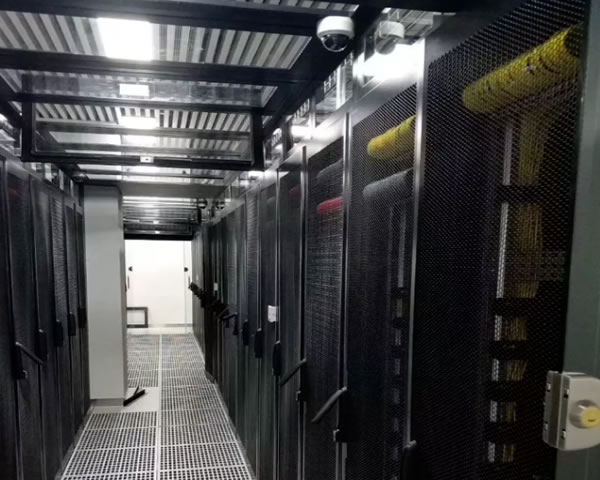
Practical Guide To Privacy And Data Recovery For Xiaomi Mi 4 Japan Serverless Users
for users who use xiaomi 4 in japan and choose serverless (not using cloud services), this article provides a practical guide to privacy protection and local data recovery, including backup, encryption, recovery paths and compliance recommendations. -
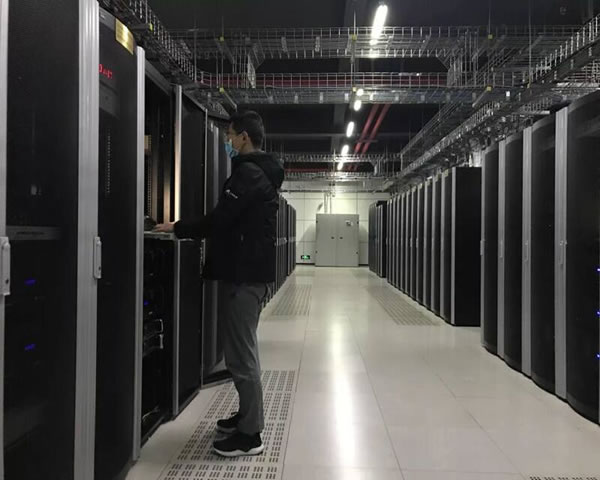
Mc Japanese Server Address Recommendations And Game Experience Optimization Suggestions
explore the best mc japanese server address recommendations and get game experience optimization suggestions to help players enjoy the fun of minecraft. -

Beginner Tutorial: Can I Watch Live Streams On The Japanese Server With My Phone? How To Choose A Suitable Plan
This beginner’s guide explains whether it is possible to watch live broadcasts on Japanese servers using mobile devices, the key factors that affect the viewing experience, and how to choose the right package and obtain practical tips to help users make informed decisions.